Introduction
Living a healthy life is one of the most important goals that people strive for today. In a fast-paced world filled with stress, processed foods, and sedentary lifestyles, maintaining good health requires conscious effort and smart decisions. Healthy living is not simply about avoiding illness; it is about achieving physical fitness, mental well-being, emotional balance, and long-term vitality.
A healthy lifestyle can improve your quality of life, increase energy levels, enhance productivity, strengthen immunity, and reduce the risk of chronic diseases. Whether you are just beginning your wellness journey or looking to improve existing habits, understanding the fundamentals of healthy living can help you achieve lasting results.
What Does Healthy Living Mean?
Healthy living refers to a lifestyle that promotes overall well-being. It involves making daily choices that positively impact physical, mental, and emotional health.
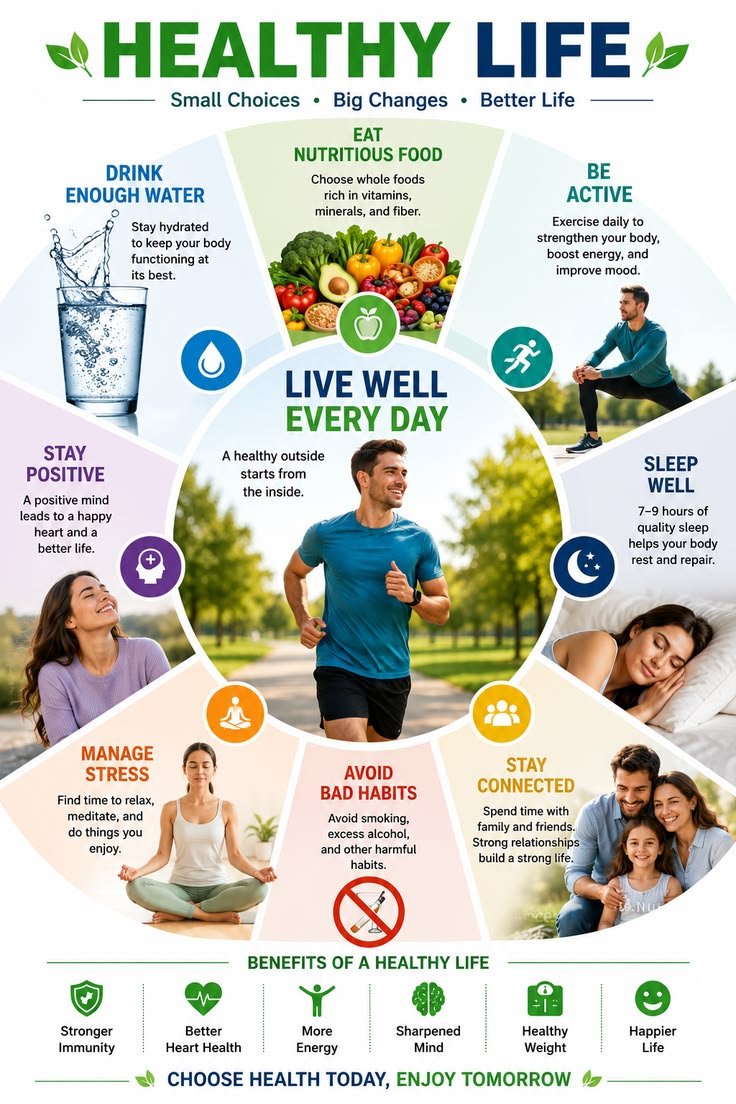
Key components include:
- Balanced nutrition
- Regular exercise
- Quality sleep
- Stress management
- Hydration
- Healthy relationships
- Preventive healthcare
When these elements work together, they create a foundation for a healthier and more fulfilling life.
The Importance of Nutrition
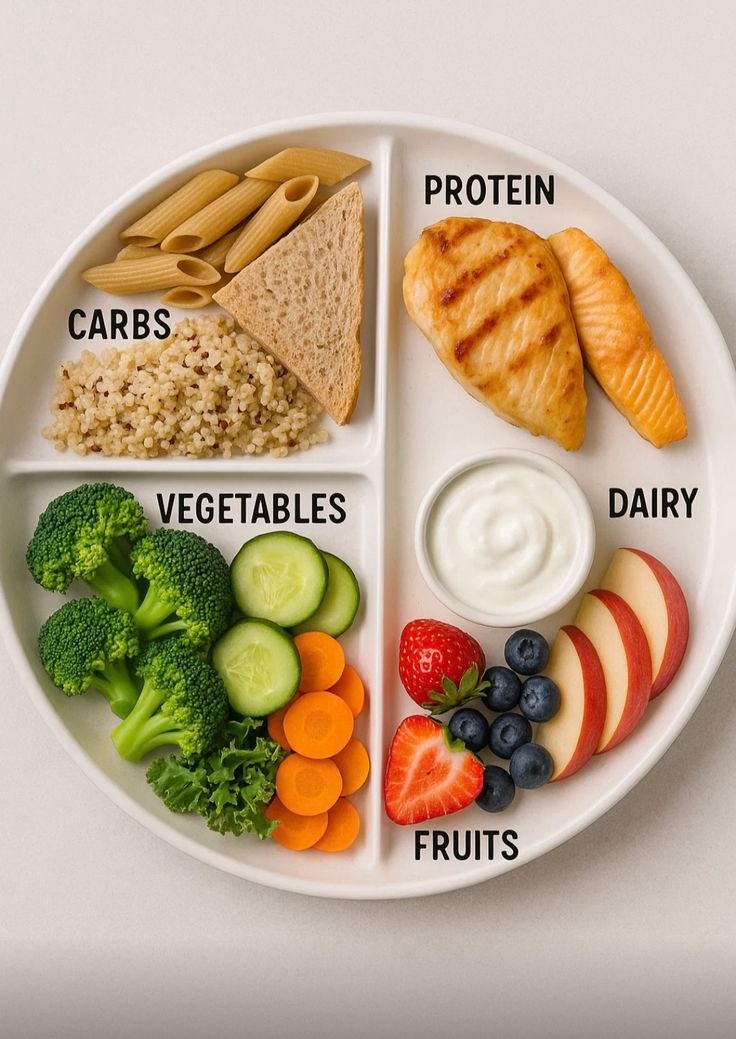
Nutrition plays a critical role in overall health. The body requires nutrients to function properly, repair tissues, and maintain energy levels.
Essential Nutrients
Proteins
Proteins help build and repair muscles, tissues, and organs.
Sources include:
- Eggs
- Fish
- Chicken
- Beans
- Lentils
- Greek yogurt
Carbohydrates
Carbohydrates provide the body’s primary source of energy.
Healthy sources include:
- Whole grains
- Brown rice
- Oats
- Fruits
- Vegetables
Healthy Fats
Healthy fats support brain health and hormone production.
Examples include:
- Avocados
- Nuts
- Seeds
- Olive oil
- Fatty fish
Vitamins and Minerals
These nutrients support immunity, bone health, metabolism, and countless bodily functions.
Benefits of Regular Exercise
Physical activity is one of the most effective ways to improve health.
Benefits include:
- Improved cardiovascular health
- Better mood
- Weight management
- Stronger muscles
- Increased flexibility
- Better sleep quality
Recommended Exercise Types
Cardio Training
Examples:
- Walking
- Running
- Cycling
- Swimming
Strength Training
Benefits:
- Muscle growth
- Bone density improvement
- Metabolism support
Flexibility Exercises
Activities include:
- Yoga
- Stretching
- Pilates
Mental Health and Wellness
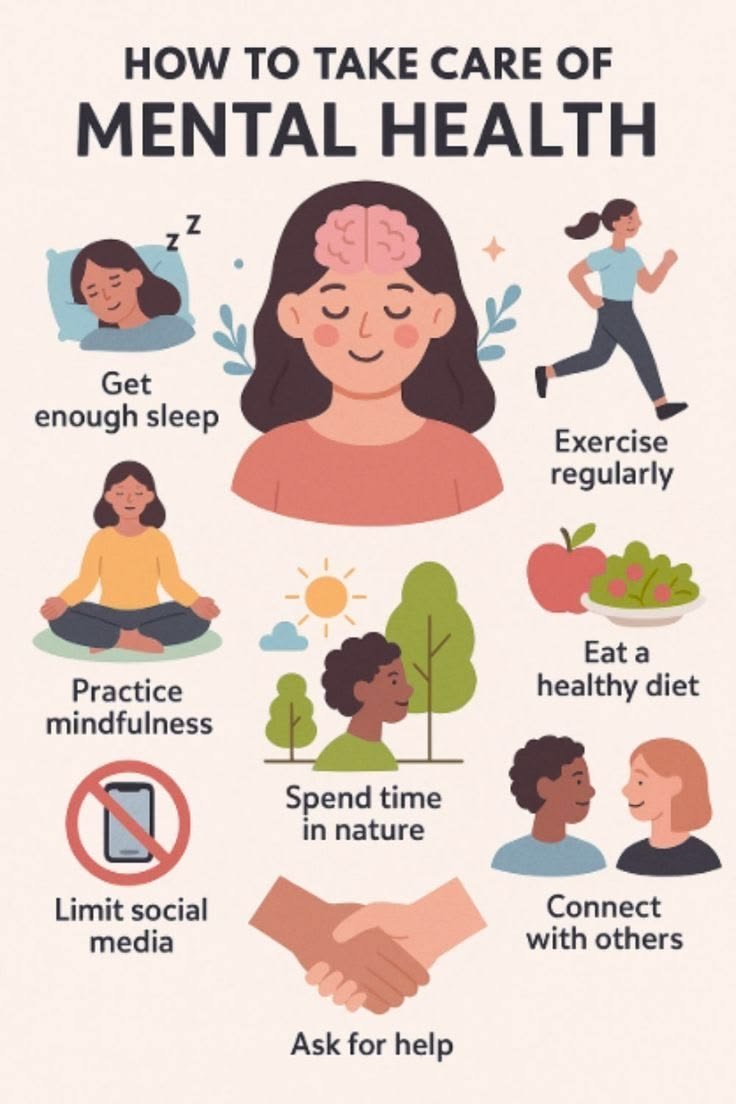
Mental health is equally important as physical health.
Healthy mental wellness practices include:
Meditation
Meditation helps:
- Reduce stress
- Improve focus
- Enhance emotional control
Gratitude Practice
Writing daily gratitude lists can improve mood and positivity.
Social Connections
Strong relationships contribute to emotional resilience and happiness.
The Importance of Sleep
Sleep allows the body and mind to recover.
Benefits of quality sleep:
- Improved concentration
- Better immunity
- Enhanced memory
- Reduced stress
Adults should generally aim for 7–9 hours of sleep each night.
Hydration and Health
Water is essential for:
- Digestion
- Temperature regulation
- Nutrient transport
- Joint lubrication
Tips:
- Carry a reusable water bottle.
- Drink water throughout the day.
- Eat water-rich foods such as cucumbers and watermelon.
Managing Stress Effectively
Chronic stress can negatively impact physical and mental health.
Effective stress management strategies:
- Deep breathing exercises
- Physical activity
- Meditation
- Time management
- Hobbies
- Adequate rest
Building Healthy Habits
Healthy living is built through consistent habits.
Examples:
- Morning exercise
- Healthy breakfast
- Daily reading
- Limiting screen time
- Drinking enough water
Small daily improvements can lead to significant long-term results.
Preventive Healthcare
Preventive care can help identify health concerns before they become serious.
Examples:
- Routine medical checkups
- Blood pressure monitoring
- Dental examinations
- Vaccinations
- Health screenings
Conclusion
Healthy living is a lifelong journey that involves balanced nutrition, regular exercise, proper sleep, hydration, mental wellness, and preventive healthcare. By making small but consistent improvements each day, you can create a healthier lifestyle that supports long-term happiness and well-being.
Investing in your health today can lead to a stronger, more energetic, and more fulfilling future.