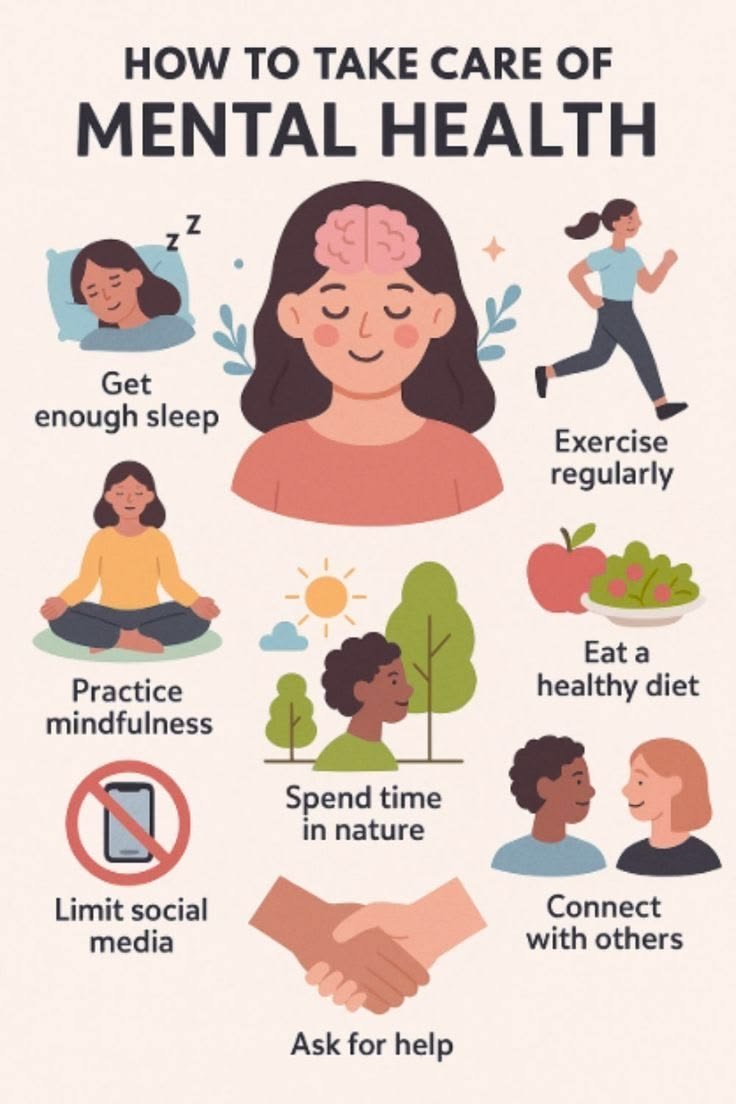
Introduction
Mental health is a fundamental part of overall wellness. While many people focus on physical fitness and nutrition, emotional and psychological health are equally important for living a balanced and fulfilling life. Mental health affects how we think, feel, act, make decisions, handle stress, and interact with others.
In today’s fast-paced world, individuals face increasing pressures from work, finances, relationships, technology, and daily responsibilities. These challenges can impact emotional well-being and contribute to stress, anxiety, burnout, and other mental health concerns.
Understanding mental health and learning how to care for it can improve quality of life, strengthen relationships, increase productivity, and support long-term happiness.
What Is Mental Health?
Mental health refers to a person’s emotional, psychological, and social well-being.
It influences:
Thoughts
Feelings
Behaviors
Stress management
Decision-making
Relationships
Good mental health does not mean feeling happy all the time. Instead, it involves the ability to cope with life’s challenges, adapt to change, and maintain emotional balance.
Why Mental Health Matters
Mental health affects nearly every aspect of daily life.
Benefits of strong mental well-being include:
Better Physical Health
Mental and physical health are closely connected.
Positive mental health may contribute to:
Better sleep
Stronger immunity
Lower stress levels
Improved energy
Improved Relationships
Emotional wellness helps individuals communicate effectively and build stronger relationships.
Enhanced Productivity
Healthy mental functioning supports focus, creativity, and problem-solving abilities.
Greater Life Satisfaction
People with strong emotional well-being often experience greater happiness and fulfillment.
Common Mental Health Challenges
Many individuals experience mental health difficulties at some point in life.
Stress
Stress is the body’s natural response to challenges or demands.
Common sources include:
Work pressure
Financial concerns
Family responsibilities
Academic demands
Anxiety
Anxiety involves excessive worry, nervousness, or fear.
Symptoms may include:
Restlessness
Rapid heartbeat
Difficulty concentrating
Sleep disturbances
Depression
Depression is more than temporary sadness.
Common symptoms include:
Persistent low mood
Loss of interest in activities
Fatigue
Changes in appetite
Feelings of hopelessness
Burnout
Burnout often results from prolonged stress and overwork.
Signs include:
Emotional exhaustion
Reduced motivation
Decreased productivity
Mental fatigue
The Connection Between Physical and Mental Health
Physical health strongly influences mental well-being.
Healthy lifestyle habits can support emotional health.
Exercise
Physical activity releases endorphins, which can improve mood and reduce stress.
Benefits include:
Better emotional regulation
Increased confidence
Reduced anxiety
Improved sleep
Nutrition
A balanced diet supports brain function and emotional stability.
Helpful foods include:
Fruits
Vegetables
Whole grains
Fish
Nuts
Seeds
Sleep
Sleep plays a crucial role in mental health.
Poor sleep can increase:
Irritability
Stress
Anxiety
Difficulty concentrating
Adults should aim for 7–9 hours of quality sleep per night.
Signs of Good Mental Health
Indicators of positive mental well-being include:
Healthy self-esteem
Emotional resilience
Positive relationships
Ability to manage stress
Sense of purpose
Adaptability
These qualities help individuals navigate life’s challenges more effectively.
Building Emotional Resilience
Resilience is the ability to recover from setbacks and adapt to adversity.
Practice Positive Thinking
Focus on solutions rather than dwelling on problems.
Learn From Challenges
Difficult experiences often provide opportunities for growth.
Maintain Perspective
Remember that setbacks are temporary and manageable.
Develop Problem-Solving Skills
Approaching challenges proactively can reduce feelings of helplessness.
Effective Stress Management Techniques
Managing stress is essential for maintaining mental health.
Deep Breathing
Deep breathing exercises can calm the nervous system.
Simple technique:
Inhale slowly through the nose.
Hold briefly.
Exhale slowly through the mouth.
Repeat several times.
Meditation
Meditation promotes relaxation and mindfulness.
Benefits include:
Reduced stress
Improved focus
Greater emotional awareness
Physical Activity
Regular movement helps relieve tension and improve mood.
Time Management
Organizing tasks effectively can reduce overwhelm and increase productivity.
The Power of Mindfulness
Mindfulness involves paying attention to the present moment without judgment.
Benefits include:
Reduced stress
Improved concentration
Better emotional regulation
Enhanced self-awareness
Simple mindfulness practices:
Mindful breathing
Nature walks
Gratitude journaling
Mindful eating
Building Healthy Relationships
Supportive relationships are important for emotional well-being.
Communicate Openly
Honest communication strengthens trust and understanding.
Practice Empathy
Understanding others’ perspectives can improve relationships.
Set Healthy Boundaries
Boundaries help protect emotional energy and maintain balance.
Spend Quality Time Together
Strong social connections contribute to happiness and resilience.
The Importance of Self-Care
Self-care involves intentional activities that support physical, emotional, and mental health.
Examples include:
Physical Self-Care
Exercise
Healthy eating
Sleep
Emotional Self-Care
Journaling
Talking with trusted friends
Practicing gratitude
Mental Self-Care
Reading
Learning new skills
Solving puzzles
Social Self-Care
Spending time with loved ones
Participating in community activities
Managing Negative Thoughts
Everyone experiences negative thoughts occasionally.
Helpful strategies include:
Challenge Unhelpful Beliefs
Ask yourself:
Is this thought accurate?
What evidence supports it?
Is there another perspective?
Focus on Facts
Avoid making assumptions without evidence.
Practice Self-Compassion
Treat yourself with the same kindness you would offer a friend.
Digital Wellness and Mental Health
Technology can impact mental well-being.
Tips for healthy technology use:
Limit Screen Time
Take regular breaks from devices.
Reduce Social Media Comparison
Remember that online content often represents highlights rather than reality.
Create Tech-Free Periods
Designate time for offline activities and relaxation.
Developing Healthy Daily Habits
Small daily habits can significantly improve mental health.
Examples include:
Morning gratitude practice
Daily exercise
Reading
Meditation
Healthy meals
Consistent sleep schedule
Over time, these habits can create lasting positive change.
When to Seek Professional Support
Professional support can be valuable when emotional challenges become overwhelming.
Consider seeking help if you experience:
Persistent sadness
Severe anxiety
Difficulty functioning daily
Ongoing emotional distress
Significant changes in mood or behavior
Mental health professionals can provide guidance, support, and evidence-based treatment options.
Mental Health in the Workplace
Work environments can influence emotional well-being.
Strategies for maintaining mental health at work include:
Taking regular breaks
Setting realistic goals
Managing workload effectively
Communicating concerns
Maintaining work-life balance
The Importance of Gratitude
Practicing gratitude can improve emotional well-being.
Benefits include:
Increased positivity
Better relationships
Greater life satisfaction
Reduced stress
Try writing three things you are grateful for each day.