A structured meal plan can make it easier to build healthy eating habits. The following seven-day plan includes balanced meals that provide fiber, healthy fats, lean protein, vitamins, and minerals to support cardiovascular health.
Day 1
Breakfast: Oatmeal topped with blueberries, chia seeds, and chopped walnuts.
Morning Snack: One apple with a tablespoon of natural peanut butter.
Lunch: Grilled chicken breast with brown rice and steamed broccoli.
Afternoon Snack: Plain Greek yogurt with fresh strawberries.
Dinner: Baked salmon served with quinoa and roasted asparagus.
Day 2
Breakfast: Whole-grain toast with avocado and sliced tomatoes.
Morning Snack: A handful of unsalted almonds.
Lunch: Lentil soup with a mixed green salad and olive oil dressing.
Afternoon Snack: Orange slices.
Dinner: Grilled turkey breast with roasted sweet potatoes and green beans.
Day 3
Breakfast: Greek yogurt topped with mixed berries and flaxseeds.
Morning Snack: Pear slices.
Lunch: Quinoa salad with cucumbers, tomatoes, chickpeas, parsley, and olive oil.
Afternoon Snack: Mixed nuts.
Dinner: Baked trout with steamed spinach and brown rice.
Day 4
Breakfast: Vegetable omelet made with spinach, mushrooms, onions, and tomatoes.
Morning Snack: Banana.
Lunch: Whole-grain wrap filled with grilled chicken, lettuce, cucumber, and avocado.
Afternoon Snack: Carrot sticks with hummus.
Dinner: Stir-fried vegetables with tofu served over quinoa.
Day 5
Breakfast: Overnight oats with chia seeds and raspberries.
Morning Snack: Walnuts.
Lunch: Tuna salad with mixed greens and whole-grain crackers.
Afternoon Snack: Kiwi fruit.
Dinner: Grilled chicken with roasted Brussels sprouts and sweet potatoes.
Day 6
Breakfast: Smoothie made with spinach, banana, berries, oats, and low-fat milk.
Morning Snack: Pistachios.
Lunch: Black bean salad with avocado and tomatoes.
Afternoon Snack: Apple slices.
Dinner: Grilled salmon with roasted vegetables and quinoa.
Day 7
Breakfast: Whole-grain pancakes topped with fresh berries instead of syrup.
Morning Snack: Mixed fruit bowl.
Lunch: Vegetable soup with whole-grain bread.
Afternoon Snack: Low-fat yogurt.
Dinner: Baked chicken breast with brown rice and steamed vegetables.
Heart-Healthy Snacks
Choosing nutritious snacks helps prevent overeating while providing important nutrients.
Healthy snack ideas include:
- Fresh fruit
- Unsalted almonds
- Walnuts
- Pistachios
- Greek yogurt
- Cottage cheese
- Carrot sticks
- Celery with hummus
- Air-popped popcorn
- Roasted chickpeas
- Whole-grain crackers
- Sliced cucumber
- Boiled eggs
- Fresh berries
- Homemade trail mix
Heart-Healthy Drinks
Many beverages contain large amounts of added sugar. Better choices include:
- Plain water
- Sparkling water without sugar
- Green tea
- Black tea
- Herbal tea
- Low-fat milk
- Unsweetened almond milk
- Fresh vegetable juice with no added salt
Limit sugary sodas, energy drinks, sweetened coffee beverages, and excessive fruit juices.
Foods Rich in Heart-Protective Nutrients
High-Fiber Foods
- Oats
- Barley
- Lentils
- Apples
- Pears
- Beans
- Chia seeds
- Flaxseeds
Omega-3 Foods
- Salmon
- Sardines
- Mackerel
- Tuna
- Walnuts
- Hemp seeds
- Chia seeds
Potassium-Rich Foods
- Bananas
- Sweet potatoes
- Spinach
- Avocados
- Tomatoes
- Beans
- Oranges
Magnesium Sources
- Pumpkin seeds
- Almonds
- Cashews
- Brown rice
- Spinach
- Black beans
Simple Tips to Lower Cholesterol Naturally
High cholesterol is one of the major contributors to cardiovascular disease. Along with medication prescribed by a healthcare professional, several lifestyle changes can naturally improve cholesterol levels.
Eat More Soluble Fiber
Foods like oats, beans, apples, pears, and barley help remove LDL cholesterol from the bloodstream.
Replace Saturated Fat
Swap butter with olive oil and replace fatty meats with fish or skinless poultry.
Stay Active
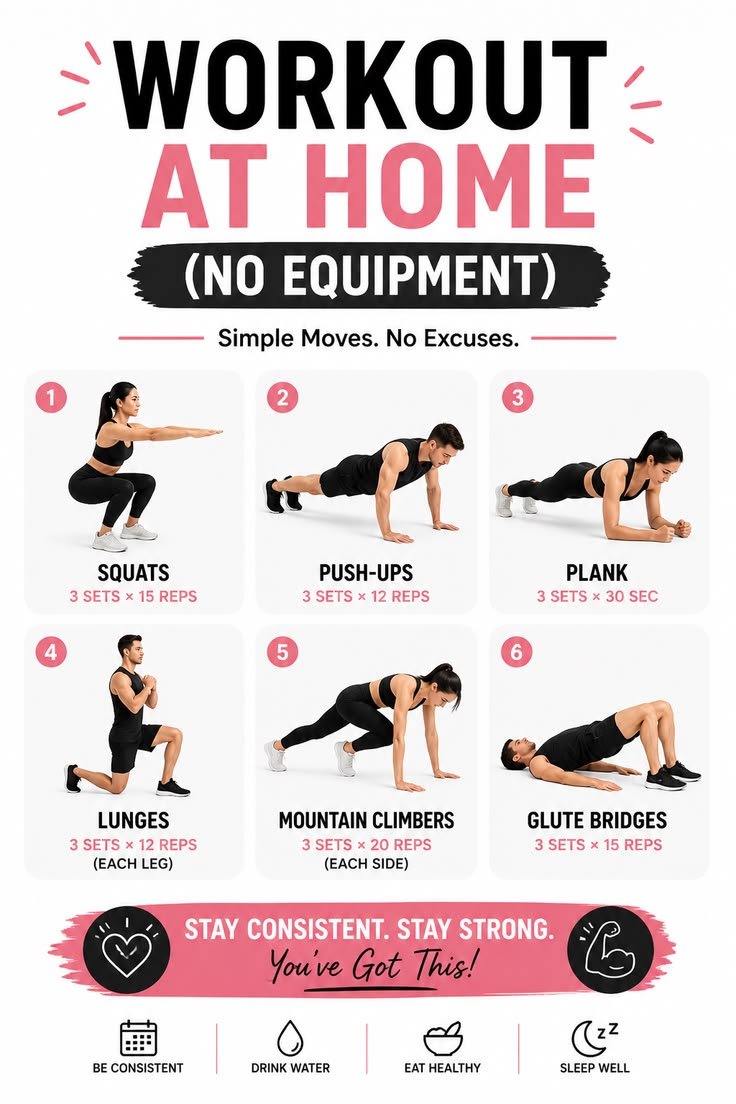
Walking, cycling, swimming, or jogging for at least 30 minutes most days of the week supports healthy cholesterol and blood pressure.
Maintain a Healthy Weight
Even modest weight loss can improve cardiovascular health and reduce stress on the heart.
Avoid Smoking
Smoking damages blood vessels and significantly increases the risk of heart disease.
Common Mistakes to Avoid
Many people unintentionally make choices that may harm heart health despite believing they are eating well.
Common mistakes include:
- Skipping breakfast regularly.
- Eating too many processed “low-fat” foods that contain added sugar.
- Consuming oversized portions.
- Drinking sugary beverages every day.
- Eating too much sodium from packaged foods.
- Not reading nutrition labels.
- Relying heavily on fast food.
- Ignoring physical activity.
- Sleeping too little.
- Drinking insufficient water.
Small daily improvements often produce better long-term results than drastic short-term diets.
Frequently Asked Questions (FAQ)
What is the healthiest diet for the heart?
Many nutrition experts recommend a Mediterranean-style eating pattern because it emphasizes vegetables, fruits, olive oil, fish, legumes, nuts, and whole grains while limiting processed foods and added sugars.
Which fruit is best for heart health?
Blueberries, strawberries, apples, oranges, pomegranates, grapes, and avocados are all excellent choices because they contain fiber, vitamins, and antioxidants.
Can eggs be part of a heart-healthy diet?
Yes. Most healthy people can enjoy eggs in moderation as part of a balanced diet that includes plenty of vegetables, whole grains, and healthy fats.
Is coffee bad for the heart?
Moderate coffee consumption is generally safe for most adults. However, beverages loaded with sugar, whipped cream, and flavored syrups may contribute to excess calorie intake.
How much water should I drink daily?
Daily fluid needs vary, but many adults benefit from drinking enough water to stay well hydrated throughout the day. Factors such as climate, activity level, and medical conditions may affect individual needs.
Can exercise improve heart health?
Absolutely. Regular physical activity strengthens the heart muscle, improves circulation, lowers blood pressure, helps manage weight, and reduces the risk of cardiovascular disease.