Introduction
Good health is not built through one perfect meal or one intense workout. Instead, it develops through the small choices we make every day. Simple habits such as eating nutritious foods, staying active, drinking enough water, getting quality sleep, and managing stress can significantly improve both physical and mental well-being over time.
Many people believe they need expensive gym memberships, complicated diets, or expensive supplements to become healthier. In reality, some of the most effective health improvements come from consistent daily routines that require little or no cost.
This guide explores 15 healthy habits that anyone can adopt to support a stronger body, sharper mind, and healthier lifestyle.
1. Start Your Day with Water
After several hours of sleep, your body naturally wakes up slightly dehydrated. Drinking a glass of water first thing in the morning helps replenish fluids, supports digestion, and prepares your body for the day ahead.
Staying hydrated may also improve concentration, support healthy skin, and assist with normal body functions. Carrying a reusable water bottle throughout the day is an easy way to remind yourself to drink regularly.
2. Never Skip Breakfast
Breakfast provides your body with energy after an overnight fast. A balanced breakfast containing protein, fiber, and healthy carbohydrates can help stabilize blood sugar and keep you feeling satisfied until lunch.
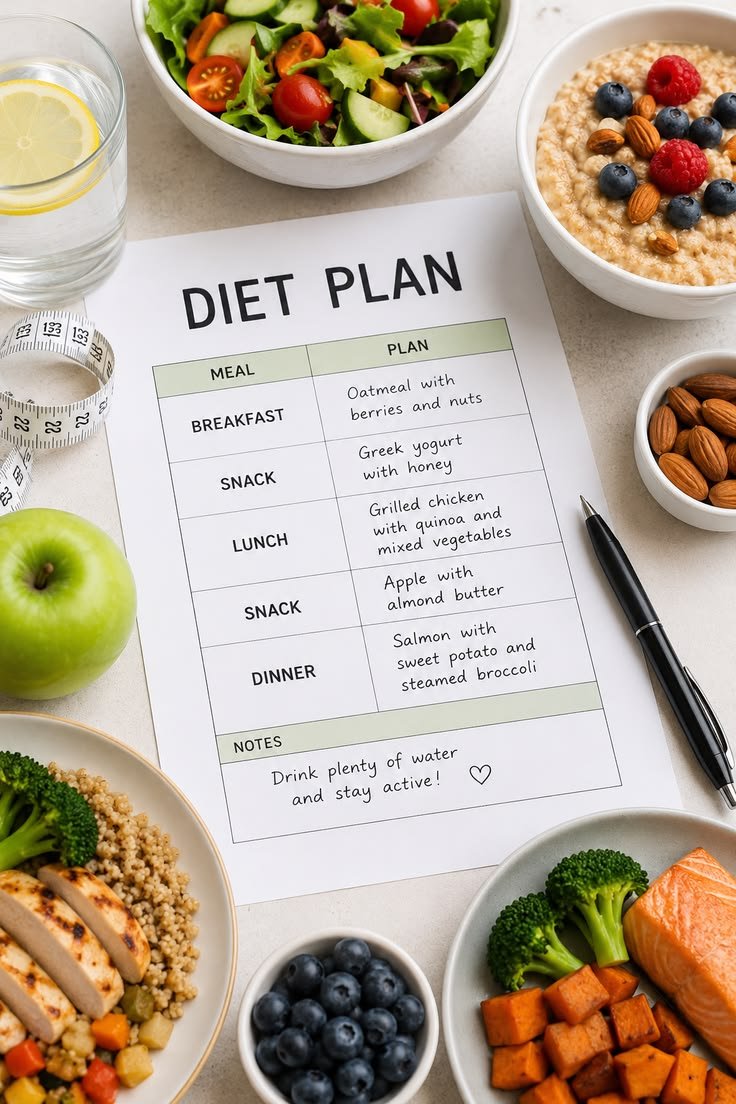
Healthy breakfast ideas include oatmeal with berries, whole-grain toast with eggs, Greek yogurt with fruit, or a smoothie made with spinach, banana, and yogurt.
3. Eat More Fruits and Vegetables
Fruits and vegetables are packed with vitamins, minerals, antioxidants, and fiber. They help support your immune system, digestive health, heart health, and overall wellness.
Aim to fill at least half your plate with colorful produce at most meals. Eating a variety of colors ensures you receive a broad range of nutrients.
4. Include Protein in Every Meal
Protein is essential for building and repairing muscles, producing enzymes and hormones, and supporting immune function. It also helps you feel full longer, reducing the temptation to snack on unhealthy foods.
Healthy protein sources include chicken, fish, eggs, beans, lentils, tofu, yogurt, cottage cheese, and nuts.
5. Move Your Body Every Day
Regular physical activity benefits nearly every part of your body. Exercise strengthens your heart, improves circulation, boosts mood, and helps maintain a healthy weight.
You don’t have to spend hours at the gym. Walking, cycling, dancing, gardening, or even taking the stairs instead of the elevator can contribute to better health.
Aim for at least 30 minutes of moderate activity on most days of the week.
6. Prioritize Quality Sleep
Sleep allows your body and brain to recover, repair tissues, strengthen memory, and regulate hormones. Adults generally need seven to nine hours of sleep each night.
Create a bedtime routine by going to bed at the same time each evening, limiting screen time before sleep, and keeping your bedroom cool, quiet, and comfortable.
7. Reduce Added Sugar
Too much added sugar may contribute to weight gain, tooth decay, and an increased risk of chronic diseases.
Instead of sugary drinks and desserts, satisfy your sweet cravings with fresh fruit, yogurt, or naturally sweet snacks.
Reading nutrition labels can also help you identify hidden sugars in packaged foods.
8. Practice Mindful Eating
Many people eat while watching television, working, or scrolling through their phones. Mindful eating encourages you to slow down and pay attention to your meals.
Chew slowly, enjoy each bite, and stop eating when you feel comfortably full rather than overly stuffed.
Mindful eating can improve digestion and help prevent overeating.
9. Manage Daily Stress
Stress is a normal part of life, but chronic stress can negatively affect your physical and emotional health.
Healthy ways to manage stress include:
- Deep breathing exercises
- Meditation
- Spending time in nature
- Reading
- Listening to music
- Journaling
- Talking with supportive friends or family
Finding healthy coping strategies can improve both mental and physical well-being.
10. Spend More Time Outdoors
Fresh air and natural sunlight offer several health benefits. Spending time outdoors can improve mood, encourage physical activity, and help your body produce vitamin D.
Even a short walk in a local park or neighborhood can help reduce stress and improve mental clarity.
11. Limit Processed Foods
Highly processed foods often contain excessive amounts of added sugar, sodium, and unhealthy fats while providing fewer nutrients.
Choose whole foods whenever possible, including fruits, vegetables, whole grains, lean proteins, and healthy fats.
Preparing meals at home also gives you greater control over ingredients and portion sizes.
12. Build Strong Relationships
Good health includes emotional and social well-being. Maintaining positive relationships with family, friends, and your community can reduce stress and improve overall happiness.
Make time for meaningful conversations, shared meals, or activities with loved ones.
13. Take Care of Your Mental Health
Mental health is just as important as physical health. Taking time to rest, relax, and care for your emotional well-being can improve your quality of life.
Activities such as gratitude journaling, mindfulness, hobbies, and regular exercise may support better mental health.
If you experience ongoing feelings of sadness, anxiety, or emotional distress, seeking professional support is an important step.
14. Schedule Regular Health Checkups
Preventive healthcare helps identify potential health concerns before they become more serious.
Regular checkups may include:
- Blood pressure monitoring
- Cholesterol testing
- Blood sugar screening
- Dental examinations
- Eye exams
- Routine vaccinations
Following your healthcare provider’s recommendations supports long-term health.
15. Stay Consistent
Healthy living is not about perfection. Missing one workout or enjoying an occasional treat does not erase your progress.
Focus on building habits that you can maintain over time. Small improvements repeated consistently often lead to significant long-term results.
Celebrate your progress, learn from setbacks, and continue making positive choices each day.
Sample Healthy Daily Routine
Morning
- Wake up at a consistent time.
- Drink a glass of water.
- Eat a nutritious breakfast.
- Take a short walk or stretch.
Afternoon
- Enjoy a balanced lunch.
- Stay hydrated.
- Take short movement breaks if working at a desk.
Evening
- Eat a healthy dinner with vegetables and lean protein.
- Limit screen time before bed.
- Read or practice relaxation techniques.
- Go to bed at a consistent time.