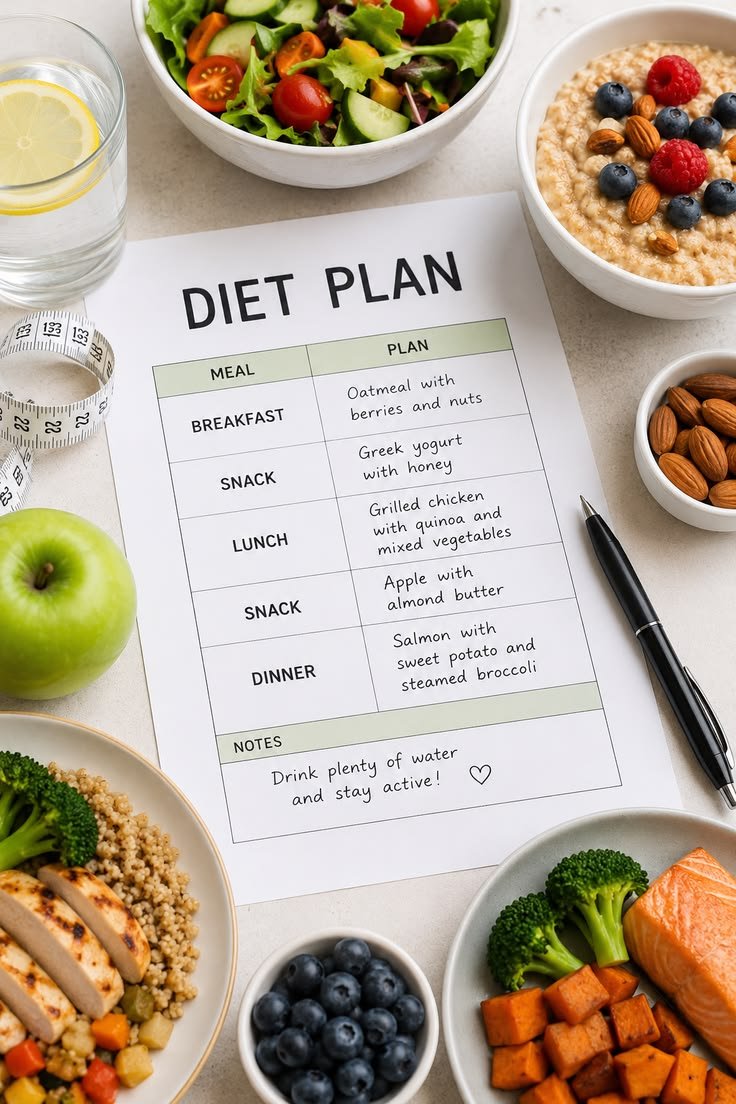
Introduction
Healthy eating is one of the most powerful tools for improving overall health, boosting energy levels, preventing chronic diseases, and enhancing quality of life. Yet, with so much conflicting nutrition advice available online, many people feel confused about what they should eat.
The truth is that healthy eating does not require expensive diets, complicated meal plans, or restrictive food rules. Instead, it involves making balanced, sustainable choices that provide the body with the nutrients it needs to function properly.
This comprehensive guide explains the fundamentals of healthy eating, essential nutrients, meal planning strategies, and practical tips for maintaining a nutritious diet for life.
What Is Healthy Eating?
Healthy eating means consuming a variety of foods that provide the nutrients your body needs for optimal functioning.
A balanced diet should include:
Fruits
Vegetables
Whole grains
Lean proteins
Healthy fats
Adequate water
Healthy eating is not about perfection. It is about consistency and making better choices most of the time.
Why Nutrition Matters
Everything you eat affects your body.
Good nutrition supports:
Energy Production
Food provides fuel for daily activities, exercise, and bodily functions.
Immune System Health
Essential nutrients help strengthen the body’s defense system.
Brain Function
Proper nutrition supports concentration, memory, and mood.
Disease Prevention
A healthy diet may reduce the risk of:
Heart disease
Type 2 diabetes
Obesity
High blood pressure
Certain cancers
Healthy Aging
Nutritious foods help maintain strength, mobility, and cognitive function as you age.
Understanding Macronutrients
Macronutrients are nutrients the body requires in large amounts.
Carbohydrates
Carbohydrates are the body’s primary source of energy.
Healthy carbohydrate sources include:
Oats
Brown rice
Whole wheat bread
Sweet potatoes
Fruits
Vegetables
Benefits
Provides energy
Supports brain function
Helps fuel physical activity
Avoid excessive consumption of refined carbohydrates such as sugary snacks and white bread.
Protein
Protein helps build and repair tissues throughout the body.
Healthy protein sources include:
Animal-Based Sources
Chicken
Fish
Eggs
Greek yogurt
Lean beef
Plant-Based Sources
Lentils
Chickpeas
Beans
Tofu
Quinoa
Benefits
Muscle growth
Recovery after exercise
Immune support
Increased fullness
Healthy Fats
Fats are essential for many bodily functions.
Healthy fat sources include:
Avocados
Olive oil
Almonds
Walnuts
Chia seeds
Salmon
Benefits
Brain health
Hormone production
Nutrient absorption
Cell function
Avoid excessive intake of trans fats and heavily processed oils.
Understanding Micronutrients
Micronutrients include vitamins and minerals.
Although required in smaller amounts, they play critical roles in health.
Important Vitamins
Vitamin A
Supports:
Vision
Immune health
Skin health
Sources:
Carrots
Sweet potatoes
Spinach
Vitamin C
Supports:
Immunity
Wound healing
Antioxidant protection
Sources:
Oranges
Strawberries
Bell peppers
Vitamin D
Supports:
Bone health
Immune function
Sources:
Sunlight
Fatty fish
Fortified foods
Important Minerals
Calcium
Supports:
Strong bones
Teeth health
Sources:
Dairy products
Leafy greens
Iron
Supports:
Oxygen transport
Energy production
Sources:
Red meat
Beans
Lentils
Magnesium
Supports:
Muscle function
Nerve health
Sleep quality
Sources:
Nuts
Seeds
Whole grains
The Importance of Fiber
Fiber is essential for digestive health.
Benefits include:
Improved digestion
Increased fullness
Blood sugar regulation
Cholesterol management
High-fiber foods include:
Oats
Apples
Beans
Vegetables
Whole grains
Adults should aim for adequate daily fiber intake through whole foods.
Hydration and Nutrition
Water is essential for life.
Benefits of proper hydration include:
Better digestion
Improved concentration
Temperature regulation
Nutrient transport
Daily Hydration Tips
Carry a water bottle
Drink water before meals
Eat water-rich fruits and vegetables
Limit sugary beverages
Building a Balanced Plate
A simple way to improve nutrition is by balancing each meal.
Half the Plate
Fill with:
Vegetables
Salad
Fruits
One-Quarter of the Plate
Include:
Lean protein
One-Quarter of the Plate
Include:
Whole grains
Healthy carbohydrates
Add a small portion of healthy fats for balance.
Healthy Breakfast Ideas
Breakfast provides energy for the day ahead.
Option 1
Oatmeal
Berries
Nuts
Option 2
Eggs
Whole grain toast
Fruit
Option 3
Greek yogurt
Granola
Fresh fruit
Healthy Lunch Ideas
Grilled Chicken Salad
Includes:
Mixed greens
Tomatoes
Cucumbers
Olive oil dressing
Brown Rice Bowl
Includes:
Brown rice
Lean protein
Vegetables
Whole Grain Sandwich
Includes:
Turkey or chicken
Lettuce
Tomatoes
Healthy Dinner Ideas
Baked Salmon
Served with:
Vegetables
Sweet potatoes
Stir-Fry
Includes:
Lean protein
Mixed vegetables
Brown rice
Lentil Soup
Served with:
Whole grain bread
Side salad
Smart Snacking
Healthy snacks can help maintain energy levels.
Examples include:
Apples
Bananas
Greek yogurt
Nuts
Carrot sticks
Hummus
Avoid frequent consumption of highly processed snacks.
Common Nutrition Mistakes
Skipping Meals
Skipping meals may lead to:
Overeating later
Low energy
Poor concentration
Following Extreme Diets
Highly restrictive diets are difficult to maintain and may lead to nutrient deficiencies.
Ignoring Portion Sizes
Even healthy foods should be consumed in appropriate amounts.
Not Eating Enough Vegetables
Vegetables provide essential vitamins, minerals, and fiber.
Healthy Eating on a Budget
Nutritious eating does not have to be expensive.
Money-saving tips:
Buy Seasonal Produce
Seasonal fruits and vegetables are often more affordable.
Choose Frozen Vegetables
They are nutritious and cost-effective.
Cook at Home
Home-cooked meals are usually healthier and less expensive.
Buy in Bulk
Whole grains, beans, and oats often cost less when purchased in larger quantities.
Meal Planning for Success
Planning meals can improve nutrition and reduce unhealthy choices.
Benefits
Saves time
Reduces food waste
Supports healthy eating goals
Helps manage portions
Create a weekly shopping list and prepare meals in advance whenever possible.
Nutrition and Weight Management
Healthy eating supports sustainable weight management.
Focus on:
Whole foods
Protein-rich meals
Fiber intake
Portion control
Consistent habits
Avoid quick-fix diets and unrealistic expectations.
Developing Long-Term Healthy Habits
Successful nutrition is based on consistency rather than perfection.
Simple habits include:
Eating more vegetables
Drinking more water
Cooking at home
Reading food labels
Practicing mindful eating
Small improvements can create significant results over time.