Weight loss is one of the most common health goals worldwide. Millions of people start dieting and exercise programs every year in hopes of losing excess weight and improving their health. However, many individuals struggle because they focus on quick fixes instead of building sustainable habits.
Healthy weight loss is not about starving yourself or following extreme diets. It involves making smart lifestyle changes that help your body burn fat while maintaining energy, muscle mass, and overall well-being.
This comprehensive guide covers practical and effective weight loss tips that beginners can start implementing today.
Understanding Weight Loss
Weight loss occurs when your body burns more calories than it consumes. This is known as a calorie deficit.
Your body uses calories for:
Breathing
Digestion
Physical activity
Maintaining body temperature
Supporting organ function
When calorie intake exceeds calorie expenditure, weight gain occurs. When calorie expenditure exceeds intake, weight loss occurs.
- Set Realistic Goals
One of the biggest mistakes beginners make is expecting rapid results.
Healthy weight loss typically ranges from:
0.5 to 1 kilogram per week
1 to 2 pounds per week
Setting realistic expectations helps maintain motivation and consistency.
- Focus on Lifestyle Changes
Temporary diets often produce temporary results.
Instead of asking:
“How can I lose weight quickly?”
Ask:
“How can I build healthy habits that I can maintain for years?”
Long-term success comes from sustainable changes.
- Eat More Protein
Protein is one of the most important nutrients for weight loss.
Benefits include:
Increased fullness
Reduced hunger
Muscle preservation
Higher calorie burning through digestion
Healthy protein sources include:
Eggs
Chicken breast
Fish
Greek yogurt
Lentils
Beans
Cottage cheese
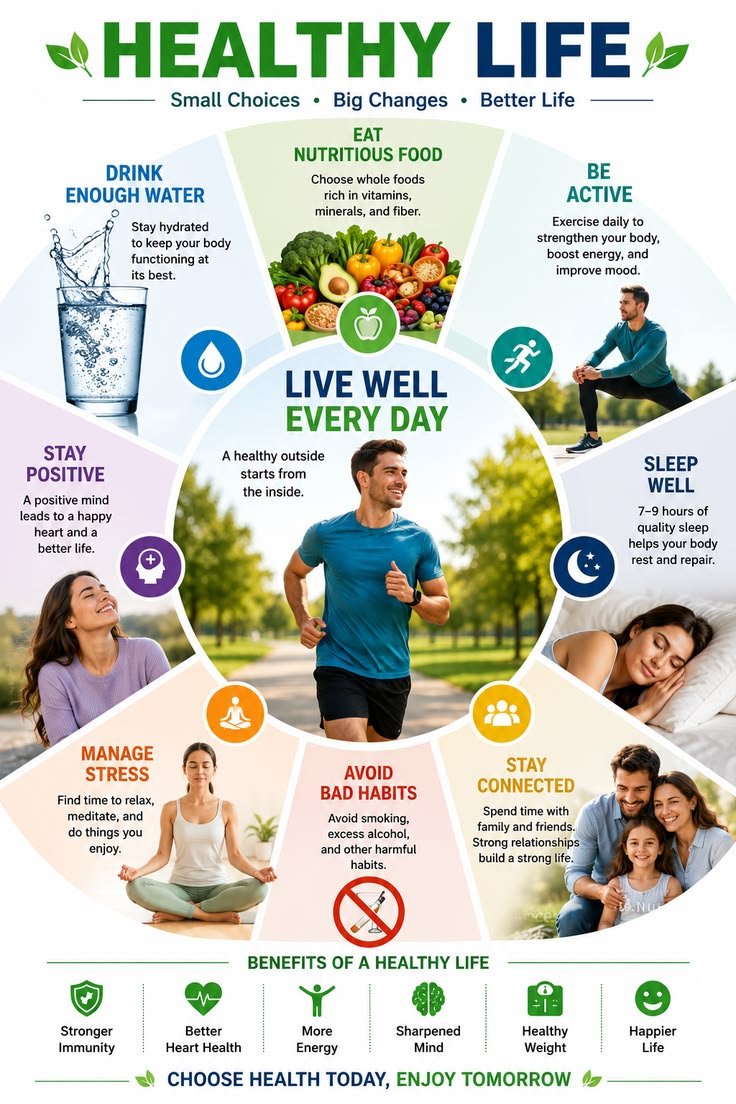
- Drink More Water
Water can naturally support weight loss.
Benefits include:
Reduced appetite
Improved metabolism
Better digestion
Fewer sugary drinks
Many people confuse thirst with hunger.
Aim for:
2–3 liters daily
More if physically active
- Avoid Sugary Drinks
Sugary beverages contribute significant calories without creating fullness.
Examples:
Soda
Sweet tea
Energy drinks
Sweetened coffee drinks
Replacing these beverages with water can significantly reduce calorie intake.
- Increase Vegetable Intake
Vegetables provide:
Fiber
Vitamins
Minerals
Low calories
Examples include:
Spinach
Broccoli
Cabbage
Carrots
Cucumbers
Bell peppers
Fill half your plate with vegetables whenever possible.
- Control Portion Sizes
Even healthy foods can contribute to weight gain if consumed in excessive amounts.
Helpful strategies:
Use smaller plates
Avoid eating directly from packages
Measure portions initially
Eat slowly
- Eat Mindfully
Mindful eating involves paying attention to your food and eating experience.
Tips:
Avoid eating while watching TV
Put your phone away during meals
Chew thoroughly
Enjoy flavors and textures
Mindful eating can prevent overeating.
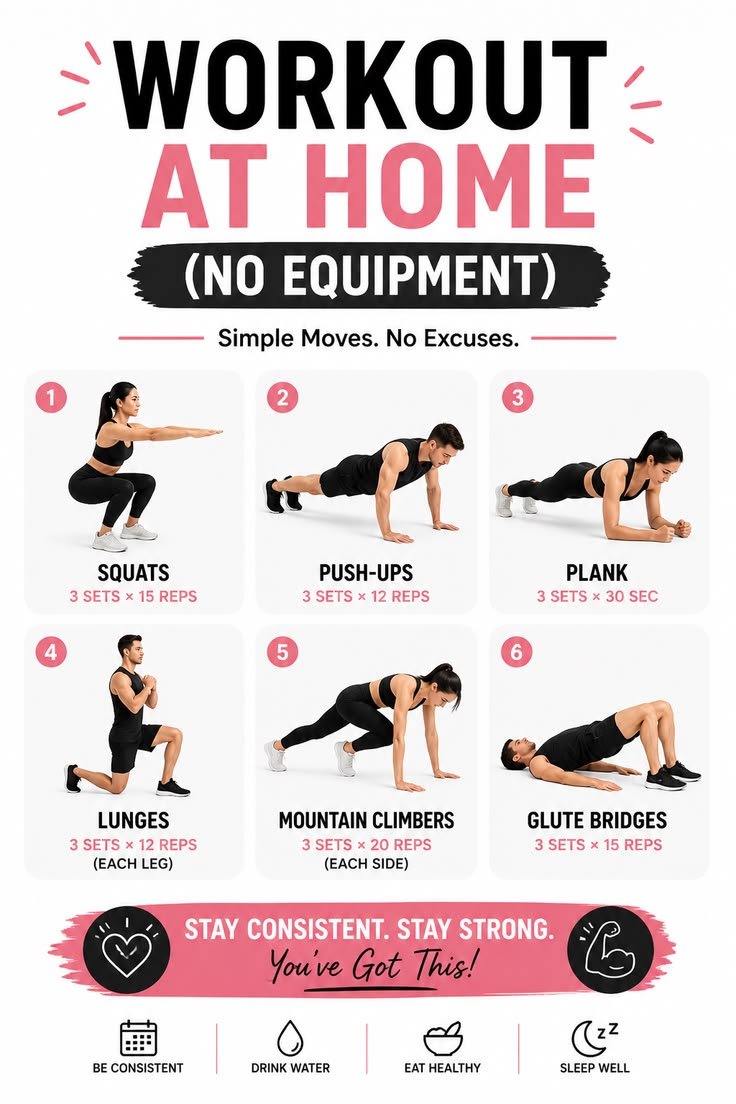
- Increase Daily Activity
Weight loss isn’t only about gym workouts.
Increase movement by:
Taking stairs
Walking after meals
Standing more frequently
Parking farther away
Doing household chores
Small movements accumulate throughout the day.
- Walk Every Day
Walking is one of the safest and most effective forms of exercise.
Benefits:
Burns calories
Improves heart health
Reduces stress
Easy for beginners
Target:
8,000–10,000 steps daily
- Prioritize Sleep
Poor sleep is linked to:
Increased hunger
Weight gain
Cravings
Reduced motivation
Adults should aim for:
7–9 hours nightly
Quality sleep supports healthy hormone balance.
- Manage Stress
Stress can trigger emotional eating and unhealthy food choices.
Stress management techniques:
Meditation
Deep breathing
Exercise
Journaling
Spending time outdoors
- Limit Processed Foods
Highly processed foods often contain:
Excess sugar
Refined carbohydrates
Unhealthy fats
Added calories
Choose whole foods whenever possible.
- Eat More Fiber
Fiber increases fullness and supports digestion.
High-fiber foods include:
Oats
Fruits
Vegetables
Beans
Whole grains
- Don’t Skip Breakfast
A nutritious breakfast may help regulate hunger throughout the day.
Healthy options:
Oatmeal
Eggs
Fruit
Greek yogurt
- Reduce Late-Night Snacking
Late-night eating can increase calorie intake unnecessarily.
If hungry at night, choose healthier options such as:
Fruit
Yogurt
Nuts
- Strength Training Matters
Many beginners focus only on cardio.
Strength training helps:
Preserve muscle
Increase metabolism
Improve body composition
Aim for 2–3 sessions weekly.
- Track Your Progress
Tracking can improve accountability.
Methods include:
Weight measurements
Progress photos
Fitness tracking apps
Body measurements
Focus on trends rather than daily fluctuations.
- Plan Your Meals
Meal planning reduces impulsive food choices.
Benefits:
Better nutrition
Fewer unhealthy snacks
Improved consistency
- Keep Healthy Snacks Available
Smart snack choices include:
Apple slices
Mixed nuts
Greek yogurt
Carrot sticks
Boiled eggs
- Avoid Crash Diets
Crash diets often lead to:
Muscle loss
Fatigue
Nutrient deficiencies
Weight regain
Healthy weight loss takes time.
- Stay Consistent
Consistency is more important than perfection.
One unhealthy meal does not ruin progress.
Focus on long-term habits.
- Build a Support System
Support from friends, family, or fitness communities can increase motivation.
Share goals with trusted individuals.
- Celebrate Small Wins
Weight loss success includes:
Better energy
Improved sleep
Healthier habits
Increased strength
Celebrate every achievement.
- Be Patient
Lasting transformation requires time.
Healthy weight loss is a journey, not a race.
Focus on sustainable progress rather than quick results.
Sample Beginner Weight Loss Day
Breakfast
Oatmeal with berries
Boiled eggs
Water
Lunch
Grilled chicken
Brown rice
Mixed vegetables
Snack
Apple
Handful of almonds
Dinner
Fish or chicken
Salad
Steamed vegetables
Evening
Herbal tea
Water
Final Thoughts
Weight loss does not require extreme diets, expensive supplements, or complicated programs. The most successful approach is to build healthy habits that you can maintain for life.
By focusing on proper nutrition, regular exercise, quality sleep, hydration, and consistency, beginners can achieve sustainable weight loss while improving overall health and well-being.
Remember: small daily improvements often produce the biggest long-term results. Every healthy choice you make today brings you one step closer to your goals.